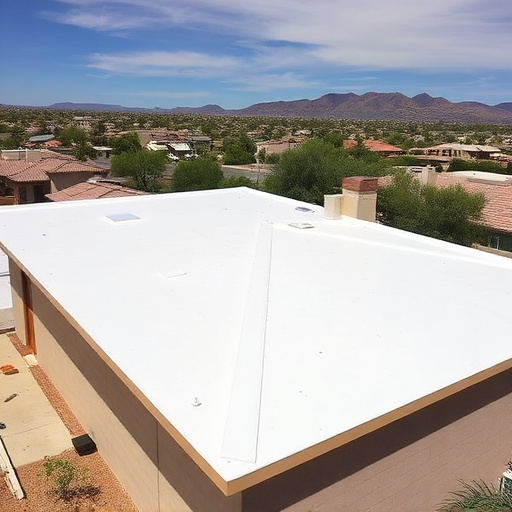
In the sun-drenched landscape of Tucson, where heat can be relentless, choosing the right roofing material is more than just an aesthetic decision. It's a strategic move to protect your home and family from the elements, especially as our climate continues to present unique challenges. The age-old debate rages on: is a white roof, designed to reflect heat, superior to the traditional tile roof? This article examines the pros and cons of various roofing materials, focusing on the iconic tile roof at 25 years and its alternatives. We'll navigate through the options, from metal to asphalt shingles, considering energy efficiency, lifespan, and even historic district requirements. By the end, you'll be equipped to make an informed choice, ensuring your Tucson home stays protected for years to come.
- Understanding Tucson's Climate: Why Roof Choice Matters
- White Roof vs. Tile: Natural Heat Mitigation Strategies
- Installation, Cost, and Longevity: A Material Comparison
- Sustainability and Maintenance: Choosing the Best Fit
Understanding Tucson's Climate: Why Roof Choice Matters
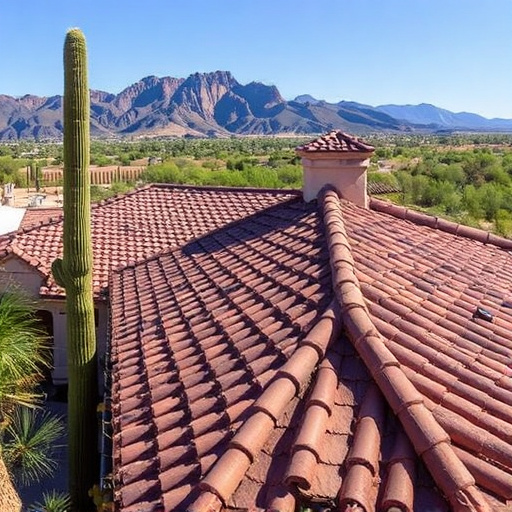
Tucson's unique climate poses specific challenges for roofing materials, demanding choices that balance durability, energy efficiency, and heat mitigation. The city's scorching summers and intense sunlight can take a toll on roofing, leading to premature aging and failure. When considering a roof replacement, especially in the Catalina Foothills or the Sam Hughes neighborhood, understanding the climate's impact is crucial.
White roofs, for instance, have gained popularity as a heat-mitigation strategy in arid climates like Tucson. Their reflective surface bounces sunlight away, reducing the heat absorbed by the building below. This can lead to significant energy savings during the hot summer months. However, not all white roofs are created equal. Some materials, like certain types of cool roof underlayments, offer better reflective properties than others. An experienced Tucson roof specialist recommends evaluating the specific needs of your home and local conditions.
Traditional tile roofs, a common choice in Tucson, offer excellent durability and a distinctive aesthetic. Clay and concrete tile varieties are well-suited to the region's climate, with their ability to withstand high winds and extreme temperatures. Yet, their absorptive nature means they can absorb heat, potentially leading to increased cooling costs. An expert Tucson roofer might suggest applying a reflective coating to the roof surface for added heat reduction, balancing the tile's natural beauty with energy efficiency. When considering a roof replacement, evaluating the long-term benefits of each material in light of Tucson's specific climate is key to making an informed decision.
White Roof vs. Tile: Natural Heat Mitigation Strategies
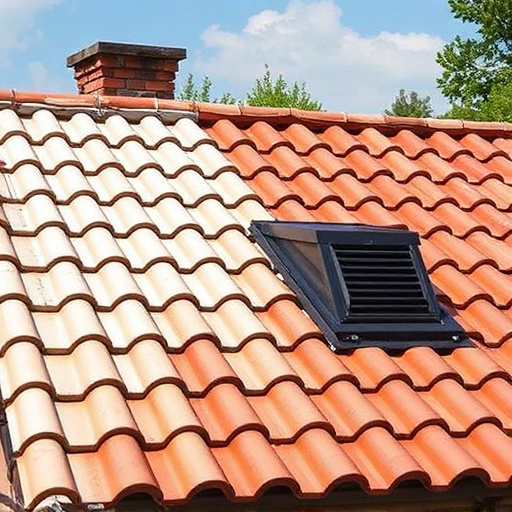
When facing the dilemma of choosing between a white roof and tile for heat mitigation in Tucson homes, it's crucial to understand the unique climate and natural heat gain challenges this desert city presents. The decision goes beyond aesthetics, impacting energy efficiency and long-term costs.
A white roof, a radiant barrier in itself, reflects sunlight and heat, effectively reducing the interior cooling load. This strategy is especially beneficial in Tucson, where summers are scorching. Clay tile, a traditional favorite in the region, offers a different approach. While it absorbs some heat, its mass also stores it, releasing it gradually during cooler evenings. The battle between white roof vs. Tile for heat naturally revolves around balancing immediate heat reflection versus sustained temperature regulation.
Consider a mid-sized Tucson home with a standard roof. Conversely, clay tile's heat absorption and storage profile can stabilize indoor temperatures, making the home feel cooler without excessive energy use. A licensed Tucson roofer with an Arizona ROC license can advise on the best fit based on the home's age, design, and energy efficiency goals.
A 25-year-old home with a tear off and replacement in mind might benefit from a white roof underlayment for immediate savings. However, a historic district home, or one with a unique architectural style, may be better suited to clay tile, preserving the traditional aesthetic while still achieving heat mitigation. In cases where a complete tear off is not feasible, a strategic combination of radiant barrier underlayment and clay tile can offer the best of both worlds.
Installation, Cost, and Longevity: A Material Comparison
When choosing a new roof for your Tucson home, one of the most critical decisions is the material. The options range from traditional tile to modern metal, each offering unique benefits. In the sunny climate of Tucson, like the vibrant Catalina Foothills, a roof's ability to manage heat is a significant consideration. This is where the age-old debate of white roof vs. Tile for heat comes into play.
Let's start with tile, a popular choice for Tucson homes due to its longevity and aesthetic appeal. Tile roofs have a proven track record in our region, with many historic district homes showcasing their durability. Installation can be labor-intensive, but the results are often stunning. When considering a tile roof, it's essential to plan for maintenance and potential repairs. Unlike a flat roof, a pitched tile roof requires more meticulous care, especially in the annual Tucson heat. However, a licensed Tucson roofing contractor will attest that the extra effort translates to a longer lifespan, often exceeding 25 years.
Now, let's explore the alternatives. White roofs have gained popularity as an energy-efficient solution. They reflect the sun's rays, keeping your home cool, which can be particularly beneficial for larger structures with swimming pools in the backyard. However, white roofs may not be the best fit for the entire region. The reflective nature of white roofing materials can impact your home's appearance, especially when trying to match the existing color palette of the Catalina Foothills. Installation requires specialized techniques and materials, potentially increasing costs.
When comparing longevity and cost, metal roofing often stands out. It offers excellent resistance to severe weather, including hail, a common concern for Tucson residents. Metal roofs can last for decades with minimal maintenance, making them a wise investment. However, initial installation costs can be higher, and proper placement is crucial to prevent water damage in the attic. A two-story home in the historic district may require special attention to detail to maintain the architectural integrity.
Sustainability and Maintenance: Choosing the Best Fit
When choosing a roofing material for your Tucson home, sustainability and maintenance are key factors, especially considering the region's unique climate and environmental conditions. Let's examine a comparison between two popular options: white roofs and tile roofs, examining their heat-reflective properties, longevity, and the local regulatory landscape.
White roofs, known for their reflective surface, offer a distinct advantage in heat reduction, which is crucial for homes in warmer climates like Tucson. The Tanque Verde and El Presidio neighborhoods, with their historic architecture, often face challenges in maintaining comfortable indoor temperatures during the long, hot summers. A white roof can significantly lower cooling costs by reflecting the sun's radiant heat away from the home, making it an attractive option for environmentally conscious homeowners. However, while white roofs excel in heat mitigation, they may require more frequent cleaning to maintain their reflective properties, particularly in areas prone to dust storms.
On the other hand, tile roofs are a staple in Tucson's architectural fabric, offering both aesthetic appeal and durability. A local Tucson roofing company often recommends tile as a sustainable choice due to its longevity and ability to withstand the region's intense weather conditions. Clay and concrete tiles, common in the area, are fire-resistant and provide excellent insulation, contributing to energy efficiency. Tile roofs can be easily incorporated into a home's design, complementing the surrounding landscape and local HOA architectural reviews. While initial installation costs for tile roofs might be higher, their durability and low maintenance requirements make them a cost-effective long-term investment.
The decision between a white roof and a tile roof depends on your priorities. White roofs excel in heat reduction, making them suitable for energy-conscious homeowners in hot climates. Tile roofs, a local favorite, offer durability, design flexibility, and low maintenance, aligning well with Tucson's unique architectural and environmental needs. When considering a reroof, consult with a roofing expert to weigh these options against other materials, ensuring your choice aligns with your budget, aesthetics, and sustainability goals.
Frequently Asked Questions About a comparison of replacement roof materials for Tucson homes
What are the most common types of replacement roofs in Tucson? Tucson homeowners have several options when replacing their roofs, with the most popular materials being tile, metal, and asphalt shingles. Tile roofs are known for their durability and low maintenance, while metal roofs offer excellent resistance to strong winds and fire. Asphalt shingles are a cost-effective choice, suitable for a variety of home styles, and easy to install.
Which roofing material is best for desert climates like Tucson? Given the intense sun and occasional dust storms in Tucson, it's crucial to choose a roof material that can withstand high temperatures and reduce heat transfer into the home. Tile and metal roofs excel in these conditions due to their reflective properties and excellent insulation capabilities. They are less prone to warping or damage from UV radiation compared to asphalt shingles.
Are there any environmental benefits to choosing a specific roof material? Yes, definitely. Metal and tile roofs are highly sustainable options because they are durable, long-lasting, and can be recycled. They also reflect sunlight, reducing the need for air conditioning and lowering energy consumption. In contrast, asphalt shingles, while readily available and affordable, contribute to heat islands and require frequent replacement.
How do palm fronds and pigeons impact different roofing materials? Palm fronds and pigeons can cause significant damage to all roof types, but asphalt shingles are particularly vulnerable to punctures and tears from bird nests and fronds. Metal and tile roofs are more resistant to these types of debris due to their solid surface, though they may still require periodic cleaning to prevent clogs and water damage.
What's the average lifespan of each material?
- Asphalt Shingles: 20-30 years
- Metal Roofs: 40-60 years
- Tile Roofs: 50-75 years
Which material offers the best return on investment? While initial costs may vary, metal and tile roofs often provide a better return on investment due to their longevity and lower maintenance requirements. Asphalt shingles, while more affordable upfront, require more frequent replacement, adding up over time.
How do I know if I need a professional for installation? For any roof replacement, especially with materials like tile and metal, it's highly recommended to hire a licensed and experienced contractor. These projects require specialized tools and knowledge to ensure proper installation, leak prevention, and adherence to local building codes.
Selecting the right roofing material for a Tucson home goes beyond aesthetics, with the city's unique climate playing a pivotal role in our decision-making process. We've explored the benefits of both white roofs and tile roofs for heat mitigation, finding that tile roofs excel in providing natural insulation, while white roofs can significantly reduce cooling costs during the hot Tucson summers.
Through this comparison, we've highlighted the importance of long-term considerations. Tile roofs, known for their durability and low maintenance, offer a robust investment that can withstand the harsh conditions, with a lifespan often surpassing 25 years. On the other hand, white roofs, with their reflective properties, can be a cost-effective solution for energy efficiency, especially in well-insulated homes.
When choosing a replacement roof, homeowners in Tucson should weigh these factors: climate adaptation, budget, and personal preferences. By understanding the interplay between these elements, residents can make informed decisions, ensuring their roofs provide both protection and energy savings tailored to the region's specific demands.
Next steps for homeowners include consulting with local roofing experts to assess their individual needs and gain personalized recommendations. This expert guidance, combined with the insights provided here, will empower Tucson residents to make strategic choices, ultimately leading to more sustainable and cost-effective roofing solutions.
In Tucson's arid climate, choosing the right roof is crucial for energy efficiency and building longevity. White roofs reflect heat, saving on cooling costs, but may require frequent cleaning. Tile roofs, a local favorite, offer durability, design flexibility, and low maintenance, blending with Tucson's architectural character. The best choice depends on individual needs, balancing heat mitigation, aesthetics, and budget. Consult a licensed Tucson roofer for expert advice tailored to your home.