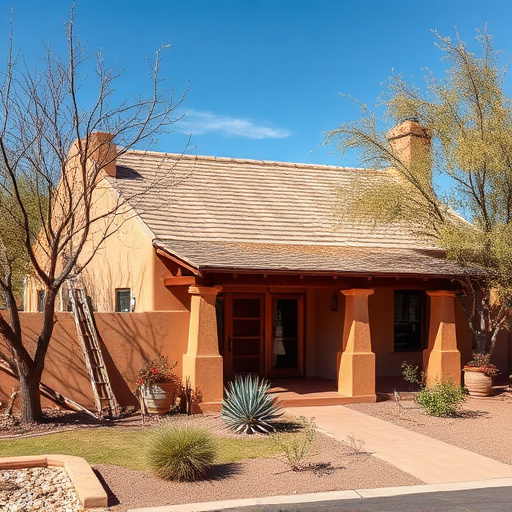
Tucson's diverse neighborhoods, from Midtown bungalows to 1970s ranch homes, often feature older tile roofs that reach the end of their lifespan after 25 years or more. Understanding when to replace these roofs is crucial for homeowners, as neglecting maintenance can lead to costly damage. This article examines the complexities of roof replacement in Tucson, offering insights tailored to these older homes. We'll explore common roofing materials, the planning process, and how to handle emergencies like hail or fire. By the end, homeowners will be equipped to make informed decisions, ensuring their properties remain safe and protected.
- Understanding Older Tucson Roofs: Styles & Materials
- Assessing Your Tile Roof's Lifespan: 25 Years & Beyond
- Planning the Replacement: Design, Cost, Permits
- Choosing a Professional: Finding the Right Tucson Roofer
Understanding Older Tucson Roofs: Styles & Materials
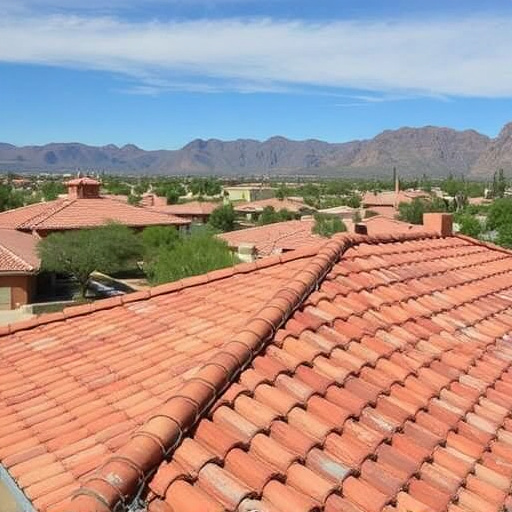
The roofs of older Tucson homes, from charming Midtown bungalows to sturdy 1970s ranch houses, tell a story of the region's climate and architectural history. Many of these homes feature clay tile roofs, a popular choice due to the area's sunny, dry climate and the aesthetic appeal of a traditional look. Clay tile has been a staple for over 25 years, offering durability and a distinct character that complements the unique architectural styles of Tucson.
When considering a reroof, understanding the material's lifespan and performance is crucial. Clay tile roofs, when well-maintained, can last several decades, making them ideal for older homes. However, as a roofer from DC Roofing of Arizona, an experienced Tucson roof specialist, will tell you, patches and repairs become more frequent as the roof ages. At a certain point, simply patching holes or replacing individual tiles is no longer cost-effective. This is when a complete reroof becomes necessary, often after 25 years or more of service.
During a reroof, especially in the summer heat, it's essential to consider the energy efficiency of the new roof. Metal roofing, for instance, has gained popularity for its reflectivity, which can help keep homes cool. This is particularly important for older homes with poor insulation, which are common in the area. The installation of roof vents during the reroof process can enhance airflow, further reducing interior temperatures and improving the overall energy efficiency of the home. Proper ventilation also helps protect against extreme heat-related damage, ensuring the longevity of the new roof.
Assessing Your Tile Roof's Lifespan: 25 Years & Beyond
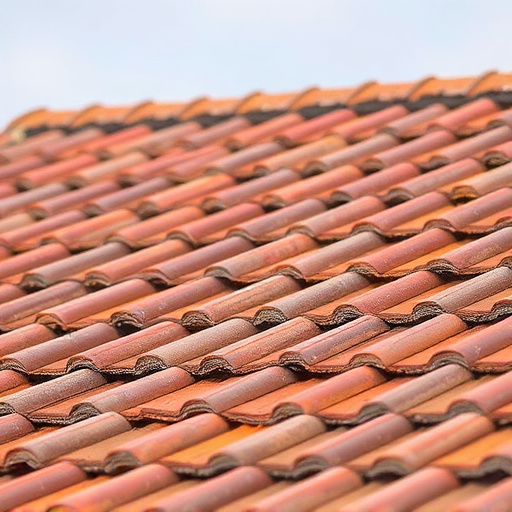
The lifespan of a tile roof in Tucson is a significant consideration for homeowners, especially when dealing with older properties. In this climate, a tile roof can last 25 years or more, but understanding when to replace it is crucial. An experienced Tucson roof specialist recommends evaluating your roof's condition regularly, as tile roofs can serve as a lasting protection for your home.
Clay tile, a popular choice for its durability and aesthetic appeal, is designed to withstand the region's unique challenges. However, even high-quality tiles can show signs of wear and tear over time. After 25 years, it's common to see cracks, chips, or loose tiles, particularly on rooftops exposed to intense sun and heat. The standing seam metal flashing that secures the tiles might also require replacement, as it protects the critical junctions where tiles meet. To these physical indicators, consider the presence of a radiant barrier, a reflective material that can aid in keeping your home cool and reduce energy costs. While it doesn't directly affect the roof's lifespan, its effectiveness can influence your decision to replace or repair.
When assessing your tile roof's condition, keep an eye out for signs of water damage, especially if your home is in a historic district or has unique architectural features like an adobe structure. Moisture can lead to mold, mildew, and structural weaknesses, requiring a full evaluation by a Tucson roofing contractor. If your roof is primarily flat, reroofing might be a good option, as it allows for the installation of a more energy-efficient system, like a radiant barrier underlayment. Conversely, a 1970s ranch home with a pitched roof might need a complete overhaul, including the removal of old shingles or tiles and the addition of modern underlayments to ensure longevity. Regular maintenance and prompt attention to issues can extend the life of your tile roof, ensuring it continues to protect your home for years to come.
Planning the Replacement: Design, Cost, Permits
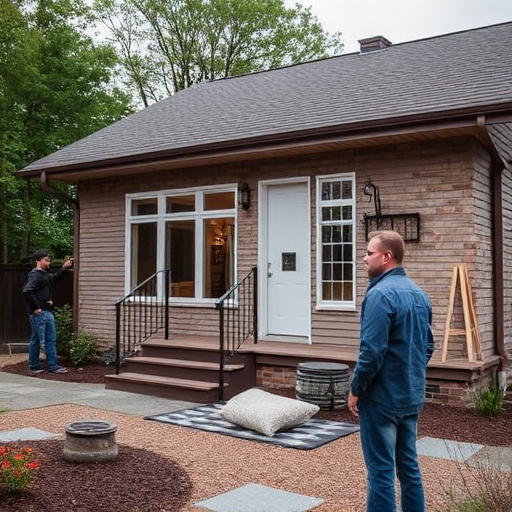
When planning a roof replacement on an older Tucson home, whether it's a charming Midtown bungalow or a 1970s ranch, homeowners must consider several factors beyond the immediate need to fix a leak or damage. This process involves a blend of design choices, cost estimation, and navigating building codes and permits, especially when dealing with historic districts or Homeowners Associations (HOAs) with strict architectural guidelines.
Designing a new tile roof at 25 years starts with understanding the home's architectural style and the neighborhood's regulations. A historic district might dictate the type of roofing material and the color to match the original structure. In these cases, homeowners may opt for architectural shingles, which offer a more diverse range of colors and styles compared to traditional asphalt shingles. The roof's design should also consider the home's age and the local climate. Tucson's sunny, warm weather calls for energy-efficient roofing solutions that reflect sunlight, potentially reducing cooling costs.
Cost estimation involves a detailed look at the project's scope. A complete reroofing job, especially on larger homes, can be a significant investment. Permits, another crucial aspect, are obtained through the local building department, and some neighborhoods may require an architectural review, especially when Sam Hughes-style homes or other distinctive architectural features are involved. This process ensures the new roof complies with both building codes and aesthetic standards, adding to the overall cost and timeline.
Navigating these steps requires careful planning. Homeowners should set aside time to research materials, local regulations, and hire reputable contractors. When replacing an old foam roof, it's crucial to understand the environmental impact and disposal methods. Similarly, a rental home owner might opt for a more straightforward, cost-effective solution to ensure the roof serves its purpose while tenants are living below. Each project is unique, and seeking expert advice can significantly impact the final outcome and long-term value of the property.
Choosing a Professional: Finding the Right Tucson Roofer
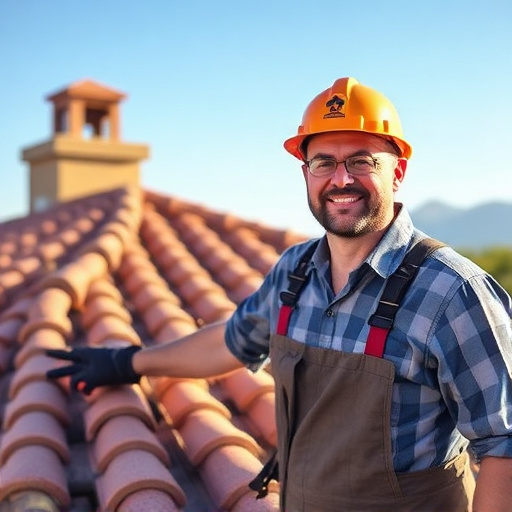
Choosing the right professional for your roof replacement is crucial, especially when dealing with older Tucson homes. In a city like Tucson with a diverse range of architectural styles, from charming Midtown bungalows to robust 1970s ranches, a qualified roofer understands the unique challenges each structure presents. When considering a roof replacement on a 25-year-old clay tile roof, for instance, an experienced Tucson roof specialist will assess the condition of the tiles, underlayment, and structural integrity, ensuring a safe and lasting solution.
An Arizona ROC-licensed roofer is essential for any major home renovation, especially when dealing with historic or specialized roofing materials. These licensed professionals adhere to the strict building codes and requirements for tear-offs and re-roofs, ensuring your home is protected and safe. When replacing a roof on a Midtown bungalow, a licensed roofer will navigate the unique design elements and potential historic preservation requirements, preserving the home's character while meeting modern safety standards.
Before selecting a contractor, homeowners should thoroughly research and compare bids. This process involves verifying the roofer's credentials, insurance, and references. A homeowner with a pool or a family with pets and young children will want to ensure the contractor has experience working in these scenarios, taking the necessary precautions to protect both the home and its occupants. Once hired, clear communication about the project timeline, materials, and any necessary permits is vital. An honest and transparent relationship with your roofer will lead to a successful and stress-free roof replacement project, regardless of whether you're dealing with a traditional clay tile or a modern metal alternative.
Frequently Asked Questions About a look at replacing roofs on older Tucson homes, from midtown bungalows to 1970s ranch homes
What are the most common roofing materials for older Tucson homes? In Tucson's climate, older homes often feature traditional roofing materials like asphalt shingles, metal roofing, or tile. Asphalt shingles are popular due to their affordability and ease of installation, while metal roofing is chosen for its durability and low maintenance. Tile roofs, though more expensive, are valued for their aesthetic appeal and longevity. DC Roofing of Arizona, a local Tucson roofing company, frequently encounters these materials during roof replacements.
How do I know if I need a roof replacement? Signs of a needing roof replacement include missing or damaged shingles, leaks, mold or mildew, and an overall deterioration of the roof's structure. A licensed roofer like DC Roofing can inspect your home to provide a professional assessment. Regular maintenance can extend the life of your roof, but most installations take one to two days.
What factors affect the cost of roof replacement in Tucson? The cost of roof replacement varies based on the size and complexity of the job, the materials chosen, and the condition of the existing roof. Removing an old roof before installing a new one can add to the cost. Homeowners in Tucson should consider the unique needs of their property and consult with a local roofer for an accurate estimate.
Are there any local regulations or permits required for roof replacements? Yes, Tucson has building codes that dictate roofing materials, safety standards, and installation practices. Permits are required for any significant construction work, including roof replacements. A licensed roofing contractor like DC Roofing of Arizona is familiar with these regulations and can handle the permit application process.
How can I ensure my new roof is compatible with my home's architectural style? Consulting with a roofing specialist who has experience with various architectural styles can help ensure your new roof complements your home's design. They can recommend materials, colors, and designs that align with your property's unique character, whether it's a charming Midtown bungalow or a 1970s ranch home.
What warranty should I expect from a new roof installation? Warranties vary by manufacturer and roofing contractor, but a quality roof installation should come with a manufacturer's warranty on materials and a work warranty from the contractor. DC Roofing of Arizona, for instance, offers comprehensive warranties on both the materials and the workmanship of their roof replacements.
How can I get a free estimate for roof replacement? Contacting a licensed roofer in Tucson is the first step to understanding the cost and process involved in replacing your home's roof.
Replacing roofs on older Tucson homes, from Midtown bungalows to 1970s ranches, requires a thoughtful approach. Understanding your roof's lifespan, material, and potential issues is crucial. For tile roofs, 25 years is a common lifespan, marking the point when patching stops making economic sense. By planning this process methodically, including obtaining necessary permits, you can ensure a successful reroof. Engaging a licensed Tucson roofer, like DC Roofing of Arizona, who specializes in historic districts, is vital for preserving your home's value and ensuring a durable, energy-efficient finish.
Key takeaways include the importance of professional selection, considering your home's unique characteristics, and planning for potential challenges, especially in the summer heat. Protecting your family, pets, and pool, managing solar removal and install, and protecting your home from damage during reroofing are all practical considerations. By following these guidelines, homeowners can confidently navigate the process, leading to a new roof that enhances their property's appeal and longevity, while potentially lowering home insurance rates.
In Tucson, older homes feature clay tile roofs that can last 25 years or more. Regular evaluation is crucial to determine when repairs are no longer cost-effective, leading to a complete reroof. Energy efficiency, ventilation, and radiant barriers are essential considerations, especially in hot, dry climates. When planning a tile roof replacement at 25 years, homeowners must navigate building codes, permits, and architectural guidelines, possibly choosing from architectural shingles or modern alternatives. Choosing a licensed, experienced roofer ensures a successful project, regardless of the home's age or style.