In the arid climate of Tucson, understanding the lifespan of your roof is crucial. The intense heat and UV radiation can accelerate the deterioration of roofing materials, making the 25-year lifespan of a tile roof a norm, not a guarantee. This article provides insights into the durability of tile, foam, shingle, and metal roofs in our region. We'll explore when patching becomes a futile effort and when replacement is necessary, like after a fire or solar removal and reinstall. We'll guide you through the process, from planning to execution, ensuring your home stays protected.
Tucson's unique conditions demand strategic roofing choices, and understanding when to replace your roof can save you from costly emergency repairs. This explainer aims to empower homeowners with the knowledge to make informed decisions.
- Understanding Tucson's Climate Impact on Roofs
- Lifespan of Common Roof Materials in Hot Environments
- Strategies for Longevity: Solar Removal & Reinstall
- Best Practices for Reroofing in Tucson's Heat
Understanding Tucson's Climate Impact on Roofs

Tucson's unique climate significantly influences the lifespan and performance of various roofing materials. Understanding how the region's heat, sun, and occasional monsoon season impact roofs is crucial for homeowners considering a roof replacement or reroof. This section examines the specific challenges and considerations when replacing tile, foam, shingle, or metal roofs in the Tucson environment.
Tile roofs, known for their durability and aesthetic appeal, can last up to 25 years or more in Tucson, especially with proper maintenance. However, the intense summer heat and sun can accelerate the degradation of tile, leading to cracks or chips, particularly on older installations. Regular inspections and repairing small issues promptly can extend the life of a tile roof. A Tucson roofer with an Arizona ROC license (ROC #) may recommend re-grouting or sealing to mitigate these effects, ensuring the roof remains in top condition.
Spray polyurethane foam (SPF) roofs are highly effective for energy efficiency and weather resistance in Tucson. SPF can last for several decades when properly installed and maintained. Its ability to expand and create a seamless barrier makes it resistant to extreme heat and monsoon-related conditions. However, SPF is sensitive to fire and should be protected against potential hazards, such as removing a swamp cooler during a reroof. A licensed Arizona ROC contractor should be consulted for the best approach to maintaining or replacing an SPF roof.
Shingle and metal roofs also have their unique challenges in the Tucson climate. Asphalt shingles, while common, typically have a lifespan of 15 to 25 years, depending on factors like sun exposure. The intense heat can cause shingles to dry out and crack, leading to leaks. Metal roofs, on the other hand, offer excellent durability, often lasting 30 years or more. They are resistant to fire, but extreme heat can cause metal to expand and contract, potentially leading to loose or damaged fasteners over time. When replacing these roofs, consider the material's compatibility with Tucson's climate and consult with a local expert for optimal results.
Lifespan of Common Roof Materials in Hot Environments
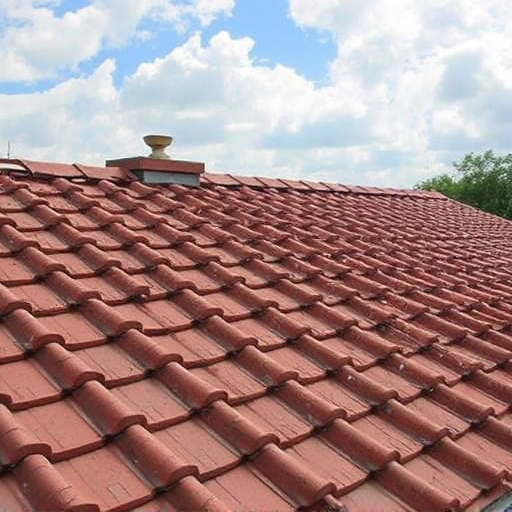
The lifespan of a roof in the scorching Tucson climate varies greatly depending on the material. While tile roofs, known for their durability, can last up to 25 years or more in the Catalina Foothills, other materials require more frequent replacement. In hot environments like ours, regular maintenance and eventual reroofing become crucial. Asphalt shingles, a common choice due to affordability, typically last 15-25 years, but may show signs of wear and tear earlier in extreme heat.
In historic districts, where architectural styles and regulations vary, roof replacement can be more complex. Homeowners in these areas often face the challenge of adhering to specific design guidelines, such as those from HOAs, which can impact their material choices. Metal roofs, a growing trend in Tucson due to their energy efficiency and longevity, can last 30-50 years. However, their initial cost can be significantly higher than traditional options, and their installation requires specialized skills. During a reroof, especially in mixed flat and pitched homes, careful consideration is needed to ensure solar removal and reinstall are done correctly, maintaining the building's energy efficiency.
Foam roofs, once popular for their insulation properties, have a shorter lifespan in Tucson's heat. They typically degrade over 10-15 years, leading to leaks and other structural issues. As a licensed Tucson roofing contractor, we've seen many cases where foam roofs need replacement earlier than expected. This highlights the importance of choosing the right material for our region's climate. For a long-lasting solution, tile remains a top choice, offering not only durability but also aesthetic appeal, especially in the diverse architectural styles of the Catalina Foothills. Regular inspection and maintenance can help extend the life of any roof, ensuring it performs optimally in our hot environment.
Strategies for Longevity: Solar Removal & Reinstall

In the hot, dry climate of Tucson, the longevity of your roof depends not just on the material chosen, but also on how well it's maintained and how it's installed. One critical aspect often overlooked is the handling of solar panels during a reroof. When replacing an old roof with a new one, removing and reinstalling solar panels is essential for both safety and efficiency. This process requires careful consideration, especially with the City of Tucson's building codes and permits, which can impact project timelines and costs.
When planning a reroof, especially in a historic district, property owners should consult with a licensed Arizona roofer about the best approach. Solar panels can be reinstalled after the new roof is in place, but removing them first offers several advantages. This step ensures that the new roof is installed without obstructions, allowing for better coverage and performance. It provides an opportunity to inspect the panels for any damage or wear and tear that might have accumulated over the years.
The process of solar removal and reinstall during a reroof involves specialized equipment and knowledge. It's not a simple task, particularly for older systems. In the case of architectural shingles, which are popular in Tucson for their energy efficiency and durability, the removal process requires caution to avoid damaging the underlying structure. A professional roofer will have the expertise to handle this, ensuring that the new roof and solar panels are compatible and work in harmony to protect your home.
After the new roof is installed, the solar panels can be securely reattached. This step should only be done by a qualified technician to guarantee safety and optimal performance. By following these guidelines, homeowners can extend the life of their roofs and ensure that their solar energy systems function at peak capacity, contributing to a more sustainable and cost-effective living environment in the Tucson heat.
Best Practices for Reroofing in Tucson's Heat
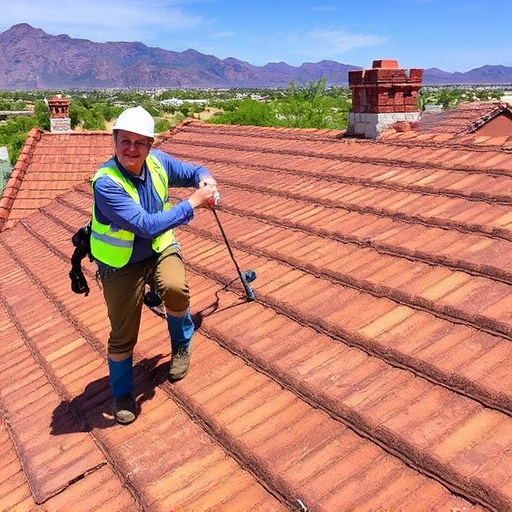
In the scorching heat of Tucson's monsoon season, reroofing can be a delicate process. The challenge lies in maintaining efficiency while protecting both the home and its occupants from the harsh summer conditions. When considering a reroof, especially in a region with distinct seasons, homeowners should be aware of the specific challenges and best practices tailored to their location. This is where an experienced, licensed Tucson roofing contractor comes in, ensuring the job is done right and lasts for years to come.
When planning a reroof, especially on older structures, homeowners should consider the age and condition of their current roof. An old foam roof, while lightweight, may have reached the end of its lifespan. In such cases, removing and replacing it with a more durable option is often recommended. Metal roofs, known for their longevity, can be a smart choice for Tucson homes, offering excellent heat resistance. However, proper installation and adequate attic insulation are crucial to prevent excessive heat transfer into the living space. This becomes increasingly important as the region's climate continues to evolve.
Solar removal and reinstall during a reroof is a critical step, especially for homes with solar panels. Efficient installation and orientation are key to maximizing energy production while minimizing the impact of the Tucson heat. Homeowners should work with a contractor who understands these nuances and can ensure the new roof and solar panels work in harmony. A skilled contractor might suggest a reflective underlayment or cool roof materials to reflect the sun's heat, reducing the overall temperature inside the home. This not only extends the lifespan of the roof but also contributes to energy efficiency.
The reroofing process should also consider the home's structure, especially in two-story homes or historic districts. In these cases, access and safety become primary concerns. Homeowners should ensure their roofing contractor is up-to-date with local building codes and has the necessary Arizona ROC license. Proper planning can involve creative solutions, like installing temporary pools or shelters for workers during the hottest parts of the day, ensuring the safety of both the family and the roofing team. By following these best practices, Tucson residents can achieve a long-lasting, efficient, and safe reroof, protecting their homes for years to come.
Frequently Asked Questions About an explainer on how long tile, foam, shingle and metal roofs last in Tucson heat
What determines the lifespan of a roof in Tucson's heat?
The lifespan of a roof in Tucson's heat is influenced by several factors, primarily climate, material type, installation quality, and maintenance. The intense sun and high temperatures accelerate the aging process of roofing materials. Compared to cooler climates, Tucson's heat can cause more rapid deterioration, especially for organic materials like shingles. However, proper installation and regular maintenance can extend the life of any roof type.
How long do tile roofs typically last in Tucson?
Tile roofs, known for their durability, can last 40-50 years or more in Tucson with proper care. The hard, non-porous nature of tiles makes them resistant to UV damage, a common cause of shingle failure in hotter regions. Good drainage and regular cleaning are essential to prevent water damage, which can significantly shorten a tile roof's lifespan.
Are foam roofs a good option for Tucson's climate?
Foam roofs, or roof insulation made from polyurethane or polyisocyanurate, offer excellent thermal efficiency. In Tucson, they can be a smart choice as they provide good resistance to heat gain, helping to keep the home cool. With proper installation, foam roofs can last 20-30 years or more. However, they are sensitive to punctures and should be installed by professionals to avoid leaks.
How do shingles fare in Tucson's heat?
Shingles, particularly asphalt ones, have a lifespan of 15-30 years in Tucson. The extreme heat can cause them to dry out and crack, leading to early failure. Tucson's intense sunlight also fades the shingles' color. Regular inspection and replacement of worn shingles are crucial to maintain a roof's integrity.
Can metal roofs withstand Tucson's heat?
Metal roofs are highly versatile and durable, able to withstand extreme temperatures. They can last 40 years or more in Tucson. Metal is resistant to heat absorption, preventing excessive expansion and contraction that can weaken other materials. However, proper installation is key to preventing rust and ensuring water doesn't pool on the surface.
What should I do to prepare my roof for Tucson's heat?
To prepare your roof for Tucson's heat, schedule regular inspections and maintain proper ventilation to reduce heat buildup. Clean gutters regularly to prevent water damage. For organic materials, consider reflective coatings to reduce heat absorption. Lastly, ensure your roof is installed with a reflective underlayment to reflect heat and provide an extra layer of protection.
Understanding the impact of Tucson's unique climate on roofing materials is crucial for any homeowner considering a roof replacement. We've explored the lifespan of tile, foam, shingle, and metal roofs in such hot environments, revealing that with proper care and strategic interventions, these structures can last for several decades. Key insights include the importance of solar removal and reinstall during a reroof to mitigate heat absorption, as well as the need to adapt traditional installation practices to the specific demands of Tucson's climate. Best practices, such as using reflective underlayments and choosing energy-efficient materials, can further extend the lifespan of your roof. By implementing these strategies, homeowners can ensure their roofs remain in top condition, protecting their homes and investments for years to come.
Tucson's climate significantly impacts roof lifespan and performance. Tile roofs can last up to 25 years, but intense heat may cause cracks. Spray polyurethane foam (SPF) roofs are energy-efficient, lasting several decades, but sensitive to fire. Asphalt shingles (15-25 years) and metal roofs (30+ years) have their challenges too. Historic districts complicate roof replacement due to design guidelines. Solar removal and reinstall during reroofing is crucial for efficiency and safety. An experienced, licensed contractor ensures best practices, extending roof life and energy efficiency in Tucson's climate.