In the scorching heat of Tucson, your roof is an important line of defense against the sun's relentless power. Understanding how long various roofing materials last under these conditions is vital for any homeowner, especially when considering the unique challenges posed by the city's climate. This article examines the lifespans of tile, foam, shingle, and metal roofs, offering insights tailored to Tucson's environment. We'll explore why some materials outperform others in the desert heat, focusing on practical considerations for residents of adobe homes in this region. By the end, you'll be equipped with knowledge to make informed decisions about your roof's longevity and the best replacement strategies for your unique circumstances.
- Understanding Tucson's Unique Climate for Roof Durability
- Tile Roofs: Longevity and Maintenance in Hot Environments
- Foam and Shingle Options: Cost vs. Lifespan in Desert Conditions
- Metal Roofs: The Ultimate Protection Against Tucson's Heat and Sun
Understanding Tucson's Unique Climate for Roof Durability
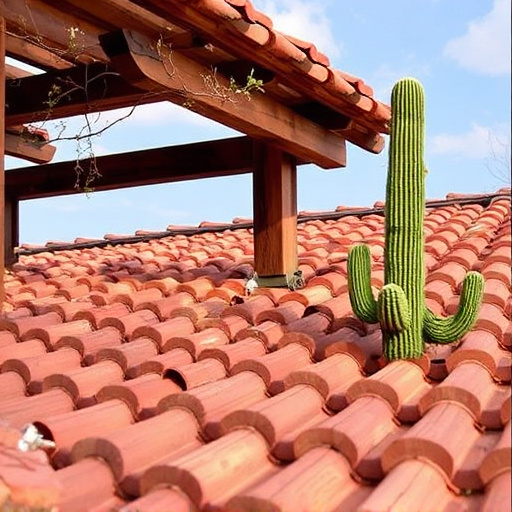
Tucson's unique climate presents specific challenges for roofing materials. With scorching summers, intense UV radiation, and high temperatures that can exceed 100°F, the lifespan of roofs varies significantly from other regions. Understanding these factors is important when considering a roof replacement on adobe homes in Midtown Tucson or across the city.
The heat can accelerate the breakdown of roofing materials. Asphalt shingles, a common choice in Arizona, may deteriorate faster due to heat-related softening of the bitumen, leading to cracking and early failure. Metal roofs, though durable, can expand and contract with extreme temperature fluctuations, requiring specific installation techniques to prevent damage. Tile roofs, known for their longevity, can also be affected by heat. While they offer excellent resistance to fire and heat, prolonged exposure to intense sun can cause tiles to crack or become loose. In contrast, foam roofs, popular for their energy efficiency, are particularly susceptible to heat-related issues. The expanding and contracting nature of the foam under extreme conditions can compromise the integrity of the roof structure.
An experienced Tucson roof specialist recommends regular inspections and maintenance to maximize the lifespan of any roofing material in this climate. For cool roof installations, designed to reflect heat and lower cooling costs, proper preparation and high-quality materials are essential. Since Tucson's building codes often mandate specific cooling measures, ensuring compliance while selecting the right underlayment and finishing materials is important. Consider the unique challenges posed by the heat when planning a roof replacement, whether for a historic adobe home in Midtown or a 1970s ranch in Oro Valley.
Tile Roofs: Longevity and Maintenance in Hot Environments
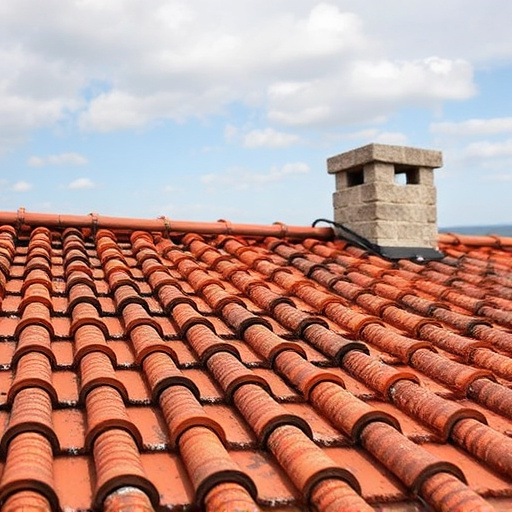
In Tucson, the sun's intensity during the monsoon season can be a significant factor in determining the lifespan of a roof. For tile roofs, specifically, understanding their longevity in this hot environment is important for homeowners in areas like Armory Park. Tile roofs, when installed and maintained properly, can last 25 years or more—a significant investment that requires thoughtful consideration.
The longevity of a tile roof in Tucson depends on several factors, including the quality of the installation, the type of tile used, and the level of maintenance. In hot environments like ours, tile roofs face unique challenges. The extreme heat can cause tiles to expand and contract, leading to potential breakage or loose connections. However, high-quality tiles made from materials designed for hot climates, such as clay or concrete, are more resistant to these effects. DC Roofing of Arizona, a licensed Tucson roofing contractor, recommends regular inspections to identify any signs of damage or wear, especially in older installations. A thorough inspection might reveal that while some tiles have survived 20 years, others are showing signs of sun damage or wear, necessitating a targeted replacement rather than a complete reroof.
Regular maintenance, such as cleaning the roof to remove dirt and debris, is important for extending the life of a tile roof. In Sam Hughes, where adobe homes are common, homeowners should be particularly mindful of the roof's condition, as the unique building materials and styles can present specific challenges. Proper maintenance can prevent small issues from becoming major problems, saving you the cost and hassle of a premature roof replacement on your adobe home. Using the right underlayment and installing the roof with a good drainage system can significantly enhance its durability in our climate.
Foam and Shingle Options: Cost vs. Lifespan in Desert Conditions
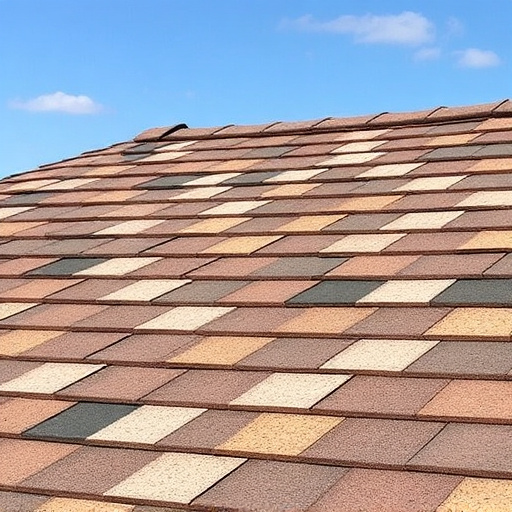
In the harsh desert conditions of Tucson and the Catalina Foothills, the lifespan of roofing materials is a critical consideration. For spray polyurethane foam (SPF) and asphalt shingles, the cost versus lifespan dynamic matters in home maintenance and long-term investment. SPF, known for its exceptional insulation and energy efficiency, offers a compelling option for Tucson's adobe homes. These lightweight, rigid foams create a smooth, air-tight barrier, helping to regulate indoor temperatures and reduce cooling costs. However, its durability in extreme heat is a factor to weigh. While SPF can withstand high temperatures, prolonged exposure to the intense Arizona sun may lead to degradation over time, impacting its protective qualities.
Asphalt shingles, a common roofing choice in Tucson, provide a more cost-effective solution. They are readily available, easy to install, and offer a range of styles and colors to suit various architectural designs. In the desert heat, asphalt shingles typically last 25 to 30 years with proper maintenance, which includes regular cleaning and inspection. However, in areas prone to extreme weather, such as hailstorms common in the region, shingles may require replacement sooner. A roofing contractor serving Tucson and Oro Valley can provide expert advice on the best shingle type and underlayment for a roof replacement on an adobe home, ensuring longevity in the harsh conditions.
When considering a cool roof, an increasingly popular choice for energy-conscious homeowners in Tucson, the decision extends beyond aesthetics. Cool roofs reflect sunlight, reducing heat transfer into the home and lowering cooling costs. In desert environments, where temperatures can soar, a cool roof can extend the lifespan of the roofing material by minimizing heat absorption. While SPF inherently has cool roof properties, other options like reflective coatings or specialized shingles can achieve similar benefits. As the climate changes and energy efficiency becomes paramount, homeowners and contractors must balance the initial cost of a cool roof system with its long-term advantages, including reduced energy bills and potentially longer-lasting roofing materials.
Metal Roofs: The Ultimate Protection Against Tucson's Heat and Sun
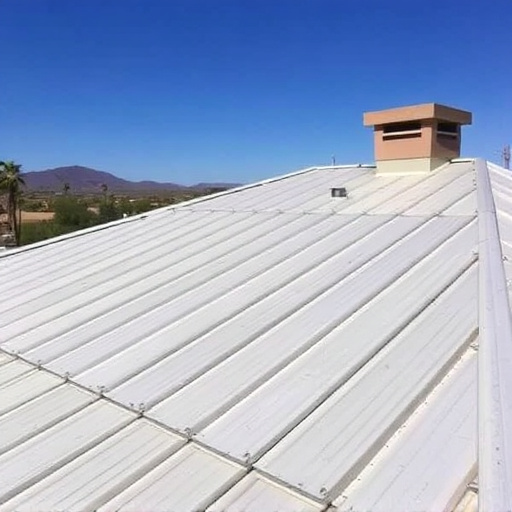
In the harsh climate of Tucson, Arizona, where summer temperatures regularly soar above 100°F, choosing the right roofing material is important. Among the options available, metal roofs stand out as the most durable and efficient choice for Tucson's heat and sun. A licensed Arizona ROC contractor serving Tucson and Oro Valley can guide homeowners through this selection process, ensuring a roof that not only withstands the extreme conditions but also offers long-term protection for their investment, especially for iconic structures like adobe homes in the Catalina Foothills.
Metal roofs, typically made from materials like aluminum, copper, or steel, offer several advantages in the Tucson heat. First, their reflective properties help bounce sunlight away from the house, significantly reducing the amount of heat transferred into the attic and living spaces. This is particularly beneficial for adobe homes, known for their natural, heat-absorbent materials, as it can help mitigate the "greenhouse effect" that can occur when the roof is not properly designed for the local climate. Metal is highly resistant to corrosion and degradation from UV rays, unlike traditional materials like tile or asphalt shingles. This longevity translates to fewer replacements over the lifespan of the structure, which can be a significant cost savings for homeowners.
When considering a roof replacement on adobe homes or any structure in Tucson, the attic insulation plays an important role in energy efficiency. A roofing contractor specializing in the area can recommend the best insulation options to complement the new metal roof. Proper insulation helps maintain a comfortable indoor temperature, reducing the load on air conditioning units and, in turn, lowering energy costs. A well-insulated attic can prevent the excessive heat buildup that often leads to premature roof failure. The contractor can assist in navigating local building codes and obtaining the necessary permits, ensuring the new metal roof is installed to the highest standards.
In the event of severe weather, including hailstorms common to the region, a metal roof's durability becomes even more apparent. Unlike tile or asphalt, metal is less susceptible to damage from falling debris, and its flexibility allows it to withstand high winds without tearing or breaking. A roofing contractor with an Arizona ROC license can provide post-damage assessments and emergency repairs, ensuring that Tucson residents' homes remain secure and protected, even in the face of challenging weather conditions.
Frequently Asked Questions About an Explainer on How Long Tile, Foam, Shingle, and Metal Roofs Last in Tucson Heat
What is the typical lifespan of each roof material in Tucson's climate?
In Tucson's hot, arid climate, roof lifespans vary significantly. Tile roofs, with proper installation and maintenance, can last 30-40 years or more. Foam roofs offer excellent insulation but generally have a shorter lifespan of 15-20 years, often suffering from UV degradation. Shingle roofs, depending on the type, typically last 15-30 years; asphalt shingles wear out faster (15-20 years) than wood or fiber cement shingles (25-30 years). Metal roofs, known for their durability, can withstand the Tucson heat for 40 years or more with minimal maintenance.
How does heat impact the performance and longevity of these roofs?
Intense heat in Tucson can accelerate the aging process of roof materials. High temperatures cause materials to expand and contract, leading to premature wear and tear. Tile roofs, for instance, may become more prone to breaking or cracking under extreme heat. Foam roofs can weaken and lose their insulating properties faster. Shingles can curl, crack, or become brittle, especially with prolonged exposure. Metal roofs, while durable, can become more prone to rust and paint flaking if not properly coated and maintained in the desert heat.
Are there any maintenance tips to extend the life of these roofs in Tucson?
Absolutely. Regular maintenance is important for Tucson roofs. For tile roofs, clean the gutters and check for loose tiles annually. Foam roofs should be inspected for any signs of damage or moisture intrusion. Shingle roofs require periodic checks for missing or damaged shingles and underlayment. Metal roofs should be cleaned and coated regularly to prevent rust. All roofs benefit from an occasional inspection by a professional to catch issues early, ensuring timely repairs and maximizing lifespan.
Which roof material is best for long-term performance in Tucson's heat?
The best roof material for Tucson's heat depends on individual preferences and budgets. Metal roofs are often recommended for their exceptional durability, low maintenance, and ability to reflect heat. Tile roofs are another excellent choice, offering both longevity and aesthetic appeal. However, foam roofs might be more suitable for those seeking excellent insulation and a relatively quick installation. Shingles are a cost-effective option but may require more frequent replacement. Consulting with a licensed Tucson roofing contractor is advisable to determine the best choice based on specific needs.
How do Tucson's extreme seasonal temperature changes affect roof materials?
Tucson's extreme seasonal temperature changes can be challenging for roofs. During the hot summer months, materials expand, and in the cold winter, they contract. This cyclical stress can weaken roofs over time. Tile roofs may develop cracks or gaps, allowing moisture intrusion. Shingles can become vulnerable to extreme cold, leading to breaking and tearing. Proper installation, high-quality materials, and regular maintenance can mitigate these issues. DC Roofing of Arizona, a local Tucson roofing company, emphasizes the importance of using materials rated for extreme temperatures to ensure long-term performance.
In Tucson's harsh climate, understanding roof lifespan and the right material choices are important for any homeowner. We've explored the durability of tile, foam, shingle, and metal roofs, each with distinct advantages in the city's heat. Tile roofs, known for their longevity, can last up to 25 years or more, but may require more maintenance in extreme conditions. Foam and shingles offer cost-effective options, though their lifespan may be shorter, around 15 to 20 years, making regular inspection key. Metal roofs, the longest-lasting, provide superior protection against the sun's intensity, with a lifespan exceeding 30 years.
When considering a roof replacement, especially on historic adobe homes, these insights are invaluable. For a roof on a Midtown bungalow, a 1970s ranch, or even a mobile home, selecting the right material can significantly impact long-term costs and convenience. Metal roofs can be ideal for a two-story home, offering durability and energy efficiency.
Next steps for homeowners include: comparing bids from licensed Tucson roofers, understanding building codes and permits, and planning around potential emergencies like hail or fire damage. By considering these factors, Tucson residents can ensure their roofs provide lasting protection, reflecting the city's unique character while withstanding its extreme conditions. This expert guidance positions homeowners to make informed decisions, ensuring their investments in roof replacement are both practical and durable.
In Tucson's extreme heat, roofing materials face unique challenges. Asphalt shingles, tile, foam, and metal roofs have varying lifespans, with heat acceleration affecting their performance. Regular inspections and maintenance are important, especially for tile and foam roofs. Metal roofs, though durable, require proper installation and attic insulation for best energy efficiency. Cool roofs, gaining popularity for energy savings, must balance initial costs with long-term benefits. A licensed Tucson roofing contractor guides homeowners in selecting the best material for their adobe homes, ensuring longevity and protection against harsh conditions.