Tucson's roofing industry adapts to unique climate demands with a focus on eco-friendly, energy-efficient solutions. Local regulations prioritize structural safety and sustainability. Key considerations for roof replacement Tucson include material choices based on climate, budget, and aesthetics. Durable options like metal and tile roofs are popular while green roofing offers environmental benefits. Regular maintenance, strategic inspections, and expert advice ensure optimal performance and longevity for both commercial and residential properties in this challenging desert environment. Technological advancements drive industry transformation with smart roofing systems becoming the future of roof replacement Tucson.
Roofing services are a cornerstone of any thriving community, and Tucson is no exception. As the sun shines brightly on our desert landscapes, so do the demands on our homes and businesses. Wear and tear from harsh weather conditions necessitate regular maintenance and, ultimately, roof replacement in Tucson. Whether it’s a residential or commercial property, a reliable roofing service is more than just an investment—it’s a safeguard against potential damage and a key to maintaining curb appeal and structural integrity. This article provides an in-depth look at how to navigate this crucial aspect of home and business ownership in the vibrant city of Tucson.
- Understanding Tucson's Roofing Landscape
- Types of Roofs for Commercial Spaces
- Residential Roof Replacement: A Comprehensive Guide
- Choosing the Right Materials for Your Roof
- Expert Tips for Efficient Roof Maintenance
- Navigating Insurance Claims for Roof Damage
- The Future of Roofing in Tucson
Understanding Tucson's Roofing Landscape
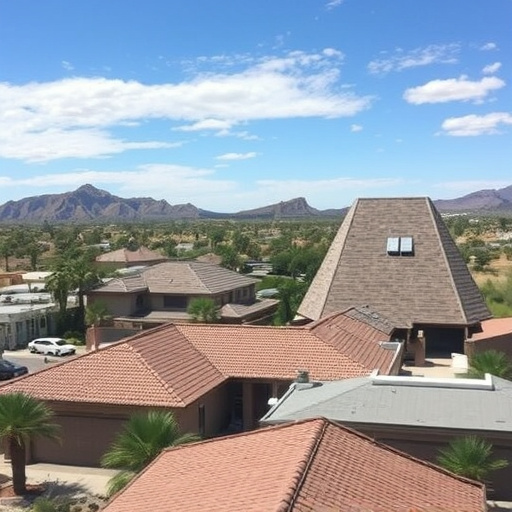
Tucson’s roofing landscape is a diverse and dynamic sector, reflecting the city’s unique blend of desert aesthetics and modern urban development. The region’s climate, characterized by intense sunlight, varying temperatures, and occasional moisture, presents specific challenges for roofing materials and installation techniques. Local building codes and regulations also play a crucial role in shaping the roofing industry, ensuring safety and sustainability standards are met.
One prominent trend in Tucson’s roofing services is the increasing demand for eco-friendly and energy-efficient solutions. Homeowners and businesses alike are opting for roof replacement Tucson with materials that offer superior insulation, reduce carbon footprints, and lower long-term operational costs. Metal roofing, for instance, has gained popularity due to its durability, reflectivity, and recyclability. Additionally, cool roofs—designed to absorb less heat than traditional asphalt shingles—are becoming a standard choice, especially in light of rising energy costs and environmental concerns.
New roof installation projects in Tucson often involve careful consideration of local factors. Experienced roofing contractors recommend evaluating the existing structure’s integrity, assessing wind exposure, and selecting materials compatible with the region’s climate. For commercial properties, flat roofs with proper drainage systems are common, while residential areas see a mix of pitched roofs and low-slope options. Regular maintenance and timely roof replacement Tucson are essential to prevent damage from intense sunlight, frequent dust storms, and occasional flooding, ensuring buildings remain protected and their structural integrity is preserved.
Types of Roofs for Commercial Spaces
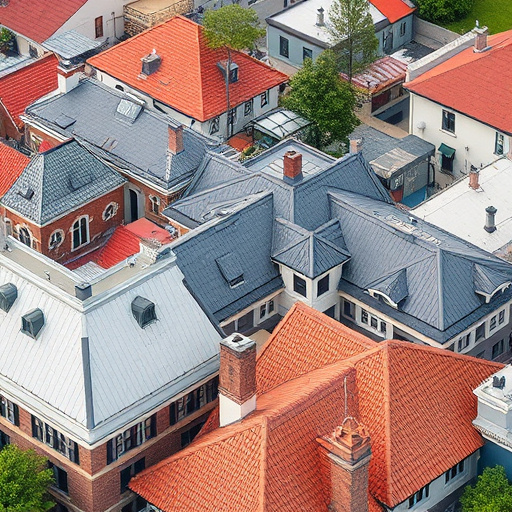
Commercial spaces demand robust and versatile roofing solutions to withstand the unique challenges of their environments—from heavy traffic and varying weather patterns to extensive equipment installations. Understanding the diverse roof types designed for these settings is paramount when considering a new roof replacement Tucson businesses may require. This section delves into the critical elements that inform the choice of roofs for commercial spaces, providing a comprehensive guide for property managers and business owners navigating the options available in Tucson.
Flat roofs, for instance, are ubiquitous in urban landscapes due to their cost-effectiveness and simplicity in design and maintenance. However, they necessitate careful consideration regarding insulation, as adequate drainage systems become even more critical to prevent water damage. On the other hand, metal roofing has gained popularity among commercial properties in Tucson for its durability and extensive lifespan—often lasting 40–60 years with proper care. Metal roofs are versatile, offering a range of styles from traditional to contemporary designs, aligning well with architectural preferences while providing superior protection against fire, wind, and extreme temperatures.
Another significant consideration for commercial spaces is the implementation of green roofing systems. These eco-friendly options involve growing vegetation on top of buildings, which offers insulation benefits, reduces energy consumption, and mitigates the urban heat island effect. Green roofs are particularly relevant in Tucson’s climate, where water conservation and sustainable practices are essential. While they may demand higher upfront costs for installation, the long-term savings in maintenance and utility bills make them a compelling choice for forward-thinking businesses. Ultimately, when pursuing new roof replacement Tucson or exploring a fresh installation, understanding these diverse options equips property managers to make informed decisions tailored to their commercial space’s unique needs.
Residential Roof Replacement: A Comprehensive Guide
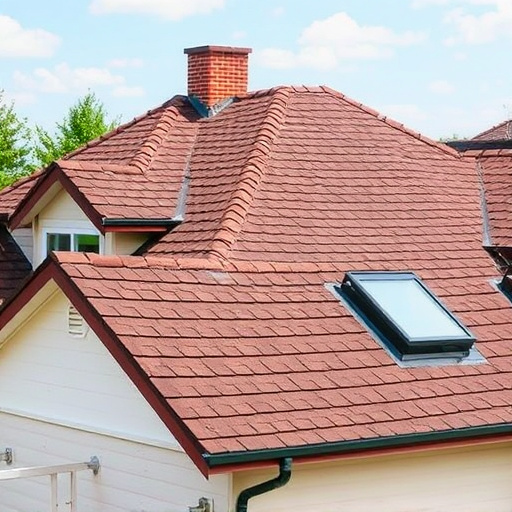
When considering a roof replacement Tucson residents and commercial property owners alike face a significant decision that impacts both aesthetics and structural integrity. This comprehensive guide delves into the intricacies of residential roof replacements, offering expert insights to navigate this process smoothly. A new roof installation is not merely an aesthetic upgrade; it’s a crucial investment in your home’s longevity and value.
The first step in any roof replacement project is assessing the current state of your roofing system. Professional evaluators recommend inspecting for signs of damage, including missing or damaged shingles, leaks, or structural weaknesses. In Tucson, where varying climates can exert significant strain on roofs, regular maintenance becomes paramount. Data suggests that timely roof replacements can mitigate the risk of costly emergency repairs and extend the lifespan of your roofing material.
When planning a residential roof replacement in Tucson, consider the vast array of options available, from traditional asphalt shingles to durable metal alternatives. Each material comes with its unique advantages and considerations regarding aesthetics, longevity, and energy efficiency. For instance, a high-quality asphalt shingle could offer a cost-effective solution while providing adequate protection against the region’s elements. Conversely, metal roofing might appeal to those seeking a more premium, long-lasting option, despite potentially higher upfront costs. Ultimately, the decision should align with your budget, aesthetic preferences, and the specific climate challenges posed by Tucson’s diverse seasons.
Choosing the Right Materials for Your Roof
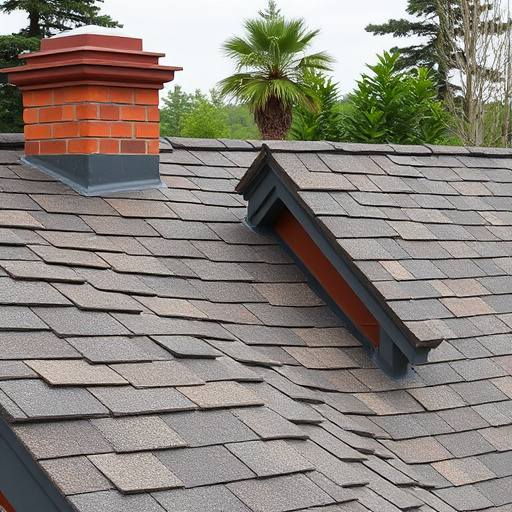
When considering a roof replacement Tucson or new roof installation, choosing the right materials is a crucial decision that impacts your home’s or business’s energy efficiency, durability, and aesthetics. Factors such as climate, local building codes, and budget influence suitable material options. For instance, in a desert climate like Tucson, reflective roofing materials can significantly reduce heat absorption, lowering cooling costs.
One of the most common choices for both residential and commercial applications is asphalt shingles, offering an affordable option with a wide range of styles and colors. However, as your roof ages, consider high-durability options like metal or tile roofs, which require less maintenance and can last 50 years or more. Metal roofing, for example, is known for its exceptional wind resistance and low fire risk, making it an ideal choice in areas prone to harsh weather conditions. Tile roofs, on the other hand, add a distinctive look and are highly resistant to moisture penetration.
Beyond initial cost, consider long-term savings and environmental impact. Energy-efficient roofing materials like cool roofs or those made from recycled content can reduce utility bills and lower a building’s carbon footprint. It’s also essential to factor in local incentives; many areas offer tax credits or rebates for installing energy-efficient roofing. When selecting a roof replacement Tucson or new roof installation, consult with experienced professionals who can provide expert advice tailored to your specific needs and help you make an informed decision that stands the test of time.
Expert Tips for Efficient Roof Maintenance
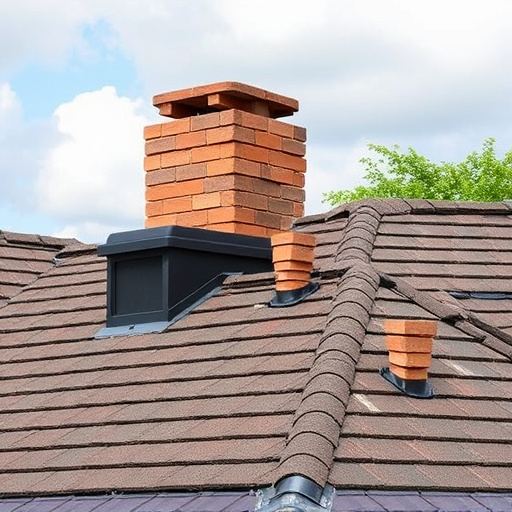
Roof maintenance is a critical yet often overlooked aspect of home or business ownership in Tucson. With Arizona’s diverse climate bringing both scorching heat and intense monsoon seasons, proper roof care can significantly extend the lifespan of your roofing system while preventing costly repairs. This article offers expert tips for efficient roof maintenance, focusing on residential and commercial properties alike in the Tucson area.
Regular inspections are key to identifying potential issues early on. Homeowners and business managers should schedule professional roof checks at least twice a year, ideally after the spring and fall seasons when weather patterns can be particularly demanding. During these assessments, experts can pinpoint problems such as missing or damaged shingles, leaks, or signs of moisture intrusion, often long before they escalate into major crises. For instance, data from local roofing services in Tucson shows that proactive maintenance can reduce roof replacement costs by up to 30%.
In addition to routine inspections, there are several practical steps property owners can take to maintain their roofs. One effective strategy is to keep gutters clean and well-maintained. Clogged gutters can lead to water damage, as rainwater overflows and seeps into the roofing material. A simple fall cleaning routine can prevent this issue. Moreover, ensuring proper ventilation in attics helps regulate temperature and reduce moisture buildup, which is crucial for preventing mold growth and prolonging the roof’s life. When considering a new roof installation in Tucson, consult with professionals who can recommend suitable materials based on climate data, ensuring optimal performance and longevity.
Navigating Insurance Claims for Roof Damage
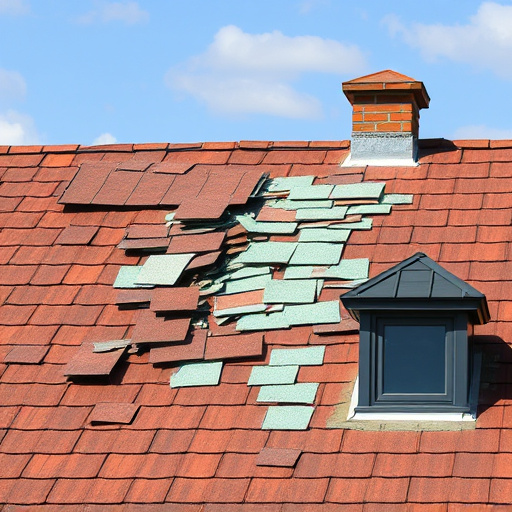
Navigating Insurance Claims for Roof Damage in Tucson
Roof replacement is a significant undertaking, whether for residential or commercial properties in Tucson. When damage necessitates a new roof, understanding the insurance claims process becomes crucial. Property owners often face complexities and uncertainty during this period, making expert guidance essential. In Tucson, where natural elements can take a toll on roofs, knowing how to navigate these claims can ensure a smoother transition towards roof replacement or new roof installation.
The first step is to thoroughly inspect the damaged roof to determine the extent of the issue. This involves assessing leaks, missing shingles, or structural damage caused by weather events like severe storms or high winds prevalent in the area. Documenting evidence through photos and detailed reports is vital, as it will be required for insurance claims submission. Tucson residents should remember that their home insurance policies typically cover roof repairs or replacements due to covered perils, such as wind or hail damage. However, understanding the policy’s specifics, including deductibles and exclusions, is imperative before filing a claim. Many insurers in Arizona offer comprehensive coverage options for roof replacement Tucson properties, ensuring adequate financial protection during renovations.
Upon submitting a claim, policyholders should actively engage with their insurance providers. This includes providing requested documentation and participating in prompt inspections to facilitate faster processing. During this phase, homeowners may opt for roof replacement as opposed to temporary repairs, especially if the damage is extensive. Working closely with a trusted contractor experienced in handling insurance claims can streamline the process, ensuring a successful outcome. Regular communication with both the insurance company and contractors ensures that everyone is aligned on expectations, timelines, and budget considerations.
The Future of Roofing in Tucson
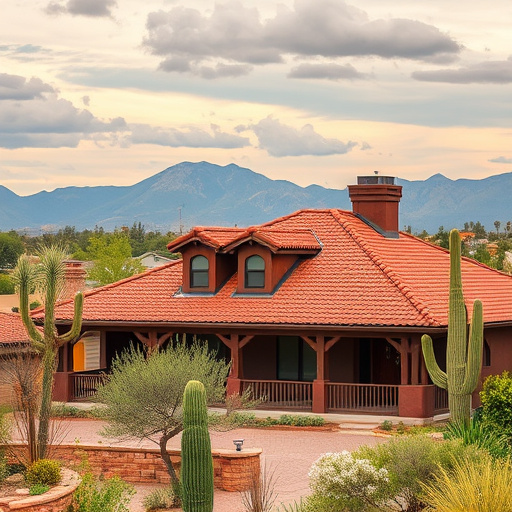
The roofing industry in Tucson is poised for significant evolution, driven by technological advancements, shifting consumer preferences, and a growing focus on sustainability. As the city navigates its future growth, understanding the trends shaping the local market is crucial. One notable development is the increasing demand for environmentally friendly roof replacement Tucson residents are embracing options that incorporate energy-efficient materials, contributing to both reduced carbon footprints and long-term cost savings. This shift aligns with national trends, where new roof installation projects are increasingly prioritizing sustainability.
Data from industry reports indicate a growing preference for durable, low-maintenance roofing solutions. In response, local contractors are investing in advanced training and technologies to offer cutting-edge services. For instance, the adoption of high-quality, impact-resistant shingles is on the rise, providing enhanced protection against severe weather events, a common occurrence in Tucson’s desert climate. Additionally, the integration of solar panels into roof designs is gaining traction, allowing homeowners to generate clean energy and further reduce their environmental impact. These innovative approaches not only meet the functional needs of residents but also appeal to those seeking modern, aesthetically pleasing solutions for their properties.
Looking ahead, the future of roofing in Tucson suggests a more connected, intelligent approach. Smart roofing systems that incorporate sensors and automation are expected to become commonplace, offering enhanced monitoring capabilities and predictive maintenance. This technology enables property owners to stay proactive regarding roof health, preventing small issues from escalating into costly repairs. As the market evolves, homeowners and businesses alike will have access to a wide array of options, from traditional materials to cutting-edge innovations, ensuring that Tucson’s roofing landscape remains dynamic and responsive to the changing needs of its diverse community.
Tucson’s roofing landscape offers a diverse array of options for both commercial and residential properties, with various roof types catering to specific needs. Understanding the local climate and environmental factors is key to making informed decisions regarding roof selection and maintenance. For homeowners considering roof replacement Tucson services, a comprehensive guide emphasizes the importance of material durability and energy efficiency. Expert advice on roof maintenance promotes longevity, while navigating insurance claims ensures proper coverage for damage. Looking ahead, the future of roofing in Tucson appears innovative, with advancements promising improved sustainability and durability. By heeding these key insights, residents can make strategic choices regarding their roof replacement Tucson needs, ensuring long-lasting protection for their homes and businesses.