
Tucson's roof replacement considerations focus on combating extreme climate variations through strategic ventilation and insulation. Advanced systems like ridge vents and soffit vents reduce summer heat gain by up to 30%, saving energy and enhancing comfort. High-quality reflective materials, such as fiber cement or metal roofing, offer year-round efficiency. Insulation tailored to humidity challenges improves air quality. Consulting local experts on eco-friendly solutions ensures code compliance while promoting sustainability and cost savings. Regular maintenance extends roof lifespan and optimizes performance.
In Tucson’s unique climate, quality roof ventilation and insulation are not just recommended—they’re essential for home comfort, energy efficiency, and structural integrity. The harsh desert sun and occasional monsoons pose significant challenges to roofs, making regular maintenance critical. Many homeowners overlook the importance of proper ventilation, leading to trapped heat, moisture damage, and even premature roof replacement in Tucson. This article delves into the intricacies of effective roof ventilation and insulation strategies, offering practical insights for residents to extend the lifespan of their roofs and create more comfortable living spaces.
- Understanding Tucson's Unique Roof Ventilation Needs
- The Role of Insulation in Local Weather Conditions
- Exploring Roof Replacement Tucson: Natural Solutions
- Step-by-Step Guide to Optimal Roof Venting & Insulation
Understanding Tucson's Unique Roof Ventilation Needs
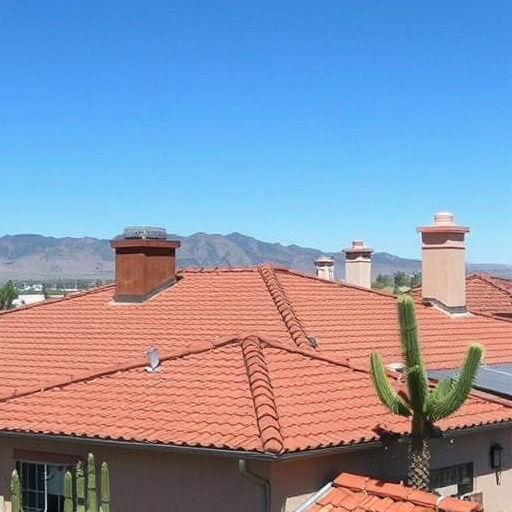
Tucson’s climate presents unique challenges for roof ventilation and insulation, often overlooked during traditional new roof installations. The city’s hot summers and mild winters demand a strategic approach to roofing that goes beyond basic specifications. Understanding these local factors is crucial when considering roof replacement in Tucson, as it directly impacts the durability and efficiency of your home’s roofing system.
Compared to other regions, Tucson experiences significant heat accumulation on rooftops due to prolonged sunlight exposure. This can lead to elevated interior temperatures, increasing energy costs for cooling. Adequate ventilation is essential to mitigate this effect. In fact, studies show that proper roof ventilation can reduce peak summer temperatures inside homes by up to 30%. A well-designed ventilation system allows hot air to escape while drawing in cooler air from the sides or below, creating a continuous flow. This natural process prevents excess heat buildup, benefiting both comfort and energy efficiency—a significant advantage for homeowners in Tucson’s climate.
When planning a roof replacement in Tucson, it’s recommended to incorporate advanced ventilation systems as part of the new roof installation. Professional contractors can integrate ridge vents, soffit vents, or a combination of both to facilitate efficient air movement. By understanding these unique needs, Tucson residents can ensure their homes remain comfortable and energy-efficient for years to come, enhancing the overall value of their investment in roof replacement.
The Role of Insulation in Local Weather Conditions
The role of insulation in local weather conditions is a critical factor when considering roof replacement Tucson residents often face. With a diverse climate characterized by hot summers and mild winters, proper insulation can significantly impact energy efficiency and comfort year-round. Insulation acts as a protective barrier against temperature extremes, preventing heat gain during the summer and heat loss in the winter. This is particularly important due to Tucson’s low humidity levels, which can exacerbate heat transfer through the roof.
For instance, without adequate insulation, homes may experience significant temperature swings, leading to increased energy consumption for cooling in the summer and heating in the winter. In a study conducted by the Energy Department, it was found that homes with proper insulation saved an average of 15% on utility bills compared to those without. This is not just about cost savings; it also contributes to the environmental sustainability of the region by reducing the carbon footprint associated with energy consumption. When considering roof replacement Tucson area residents should prioritize new roof installation with high-quality, reflective materials that offer superior insulation properties.
Furthermore, Tucson’s occasional desert dust storms present unique challenges. Insulation designed to withstand such conditions ensures that fine particles do not infiltrate the home, enhancing indoor air quality. In addition, proper ventilation systems integrated into roof replacement or new roof installation processes are essential for maintaining optimal temperatures and humidity levels. This includes both mechanical ventilation for hot, humid summers and natural ventilation during cooler months. Such strategies not only enhance comfort but also extend the lifespan of the roof, making it a wise investment for homeowners.
Exploring Roof Replacement Tucson: Natural Solutions
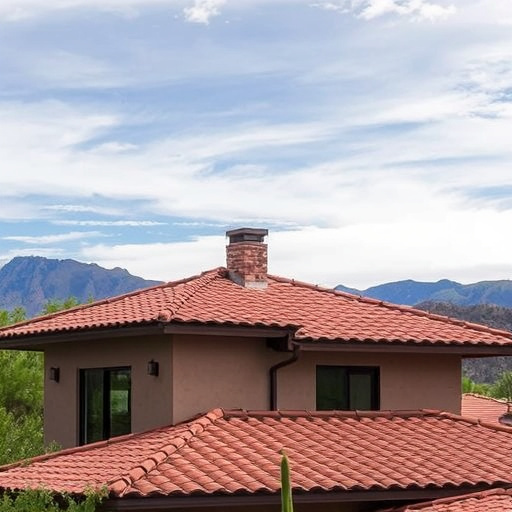
In Tucson’s distinct climate, proper roof ventilation and insulation are essential for energy efficiency and structural integrity. When considering a roof replacement in this region, opting for natural solutions can significantly enhance both indoor comfort and environmental sustainability. The city’s warm summers and occasional monsoons necessitate a well-ventilated roof to prevent heat buildup and moisture issues, which can lead to costly damage over time.
One of the primary benefits of exploring roof replacement Tucson naturally is the integration of breathable materials and innovative designs that facilitate proper air circulation. For instance, replacing traditional tar-based shingles with modern fiber cement or metal roofing options allows for enhanced airflow. These materials are not only durable but also permit heat to escape, reducing the overall temperature inside the home. Additionally, incorporating ridge vents and soffit ventilation systems ensures a continuous flow of fresh air throughout the roof cavity, preventing the buildup of humid air that can foster mold growth.
A strategic approach to roof replacement in Tucson involves selecting insulation materials tailored to the region’s challenges. Natural fibers like cellulose or recycled denim insulate effectively while allowing for moisture vapor transmission, preventing condensation and related structural problems. Compared to traditional foam insulations, these natural alternatives offer better breathability, reducing the risk of roofing issues exacerbated by excessive humidity. Moreover, a well-insulated roof contributes to year-round energy savings, as it keeps hot air out during summer months and cold air in during winters, aligning with the city’s push for more sustainable building practices.
When transitioning to a new roof installation in Tucson, consult local experts who specialize in eco-friendly solutions. They can guide homeowners on choosing materials that not only comply with local building codes but also align with individual sustainability goals. By embracing natural roof ventilation and insulation techniques, Tucson residents can contribute to a greener environment while enjoying the long-term benefits of reduced energy costs and improved indoor air quality.
Step-by-Step Guide to Optimal Roof Venting & Insulation
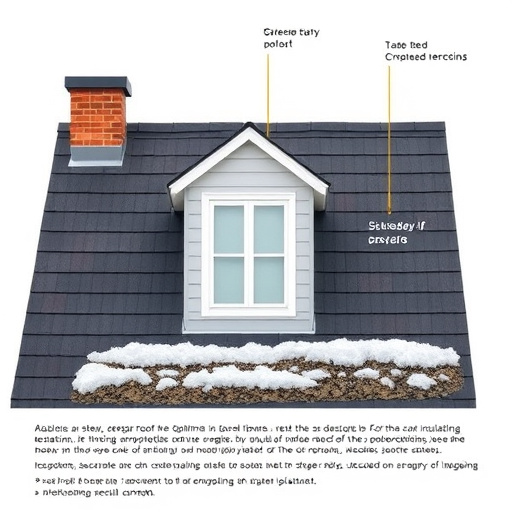
Optimal roof ventilation and insulation are essential components of any roof replacement Tucson project, ensuring your home remains energy-efficient and comfortable year-round. This step-by-step guide provides a roadmap for achieving ideal conditions, whether you’re installing a new roof or replacing an old one in the vibrant Sonoran Desert climate.
First, assess your current ventilation system. In many cases, roofing professionals in Tucson recommend enhancing existing vents rather than removing them entirely. Proper venting allows hot air to escape while drawing in cooler, outside air, reducing indoor temperatures and easing the load on your HVAC system. Ensure you have a balanced ventilation setup by evaluating the condition of your ridge vents, soffit vents, and any exhaust fans. If your roof is due for a replacement, consider new roof installation with advanced venting systems designed to maximize airflow.
Next, insulation plays a crucial role in maintaining optimal temperatures. For Tucson’s hot summers, reflectivity is key. Choose high-quality reflective roofing materials that can withstand the intense desert sun without absorbing heat. Many modern options offer excellent insulation properties while reflecting solar radiation. Ensure proper insulation placement, focusing on the attic space where heat buildup is most common. Proper sealing of joints and gaps prevents hot air from infiltrating, enhancing energy efficiency. According to local data, homes with reflective roofing and adequate insulation can save up to 20% on cooling costs compared to traditional roofing materials.
Finally, integrate smart technology for enhanced control and monitoring. Consider installing programmable thermostats that adjust temperatures based on occupancy and time of day, further optimizing energy use. Additionally, new roof installation with integrated solar panels can provide clean energy while reflecting heat, contributing to a more sustainable and comfortable living environment. Regular maintenance checks ensure your ventilation and insulation systems continue to function at peak performance, ensuring the longevity and efficiency of your Tucson home’s roof.
In light of Tucson’s distinct roof ventilation requirements, rooted in its unique climatic conditions, prioritizing proper insulation and ventilation is paramount for any roof replacement project. The article has illuminated the critical interplay between local weather patterns and the need for tailored solutions. By exploring natural materials and methods, such as incorporating locally sourced, sustainable roofing options, residents can achieve optimal energy efficiency. The step-by-step guide offers practical insights into achieving balanced roof ventilation, ensuring comfort and mitigating damage from extreme temperatures. Ultimately, embracing a natural approach to roof replacement in Tucson not only benefits the environment but also translates to significant long-term savings for homeowners.