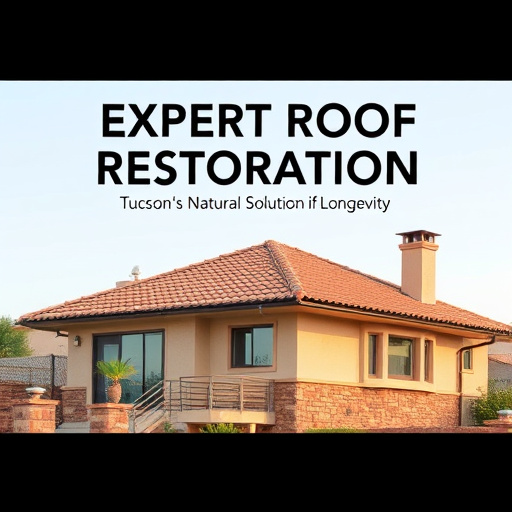
Roof Replacement Tucson: A Comprehensive Guide
Introduction
In the dynamic landscape of construction and infrastructure, roof replacement stands as a crucial aspect of building maintenance and modernization. Among various cities worldwide, Tucson, known for its diverse climate and architectural heritage, presents unique challenges and opportunities in this domain. This article delves into the multifaceted world of roof replacement specifically tailored to the context of Tucson, exploring its significance, global influence, economic implications, technological innovations, regulatory framework, challenges, and future prospects. By examining these aspects, we aim to equip readers with a comprehensive understanding of this essential process and its transformative potential in the heart of Tucson.
Understanding Roof Replacement Tucson: A Definition and Its Components
Roof replacement Tucson, in its essence, involves the complete overhaul of a building’s roofing system, including all materials, components, and structures that comprise it. This process is not merely about changing shingles or repairing leaks but encompasses a holistic approach to ensuring structural integrity, energy efficiency, and aesthetic appeal.
A typical roof replacement in Tucson considers several key components:
-
Roofing Material: Choices range from traditional asphalt shingles to more durable options like metal, tile, or flat roofing membranes. The selection depends on local climate conditions, architectural style, and owner preferences.
-
Underlayment: This is the protective layer laid beneath the roofing material, providing a barrier against moisture and offering additional insulation.
-
Flashings: Flashing materials ensure weatherproofing at joints, vents, and penetrations in the roof structure.
-
Ventilation Systems: Proper ventilation helps regulate roof temperatures, reducing wear and tear on the roofing materials and improving indoor air quality.
-
Structural Integrity: Ensuring that the existing roof structure can support the new materials is a critical step, often involving reinforcement or replacement of old trusses or beams.
The process begins with an extensive assessment to identify issues, measure requirements, and select suitable materials. It involves skilled labor for tear-off (removal of old roofing), installation, and final inspection.
Global Impact and Trends: A Worldwide Revolution
Roof replacement is not limited to Tucson; it is a global phenomenon shaped by diverse cultural, climatic, and economic factors. Several key trends emerge in this sector:
-
Increasing Durability Expectations: Consumers worldwide demand longer-lasting roofing solutions due to the rise of modern construction techniques and a growing focus on property value retention.
-
Sustainability Focus: There is a growing trend towards eco-friendly materials, with recycled content and energy-efficient roofing gaining traction. Tucson, with its arid climate, can benefit from these innovations in reducing cooling costs.
-
Technological Integration: The integration of smart technologies in roofing systems, such as sensors for leak detection and energy monitoring, is a global trend. These innovations enhance building intelligence and reduce maintenance costs.
-
Regional Variations: Climate plays a significant role in shaping roofing preferences. In Tucson’s case, the desert climate influences choices towards reflective materials to combat heat gain and water conservation measures.
Economic Considerations: Market Dynamics and Investments
The roof replacement market in Tucson, like anywhere, operates within complex economic ecosystems. Key aspects include:
-
Market Size: According to industry reports, the US roofing market is valued at over $100 billion annually, with a significant portion dedicated to residential and commercial replacements. Tucson’s robust construction sector contributes to this market demand.
-
Cost Factors: The cost of roof replacement varies based on material choices, complexity of the job, and local labor rates. On average, a complete roof replacement in Tucson can range from $5000 to $15,000 or more for larger properties.
-
Investment Opportunities: Roofing companies in Tucson can capitalize on the demand by offering specialized services, innovative products, or tailored solutions for specific climate challenges. The market encourages investment in research and development for advanced materials and technologies.
-
Economic Impact: Roof replacements stimulate local economies through material supplier sales, labor wages, and associated industries like guttering, insulation, and window replacement.
Technological Advancements: Revolutionizing the Industry
Technological innovations play a pivotal role in shaping the future of roof replacement Tucson:
-
Advanced Materials: Newer materials like self-cleaning shingles, energy-generating tiles, and lightweight composite roofing offer improved performance, reduced maintenance, and enhanced aesthetics.
-
Drone Technology: Drones are being utilized for detailed roof inspections, providing high-resolution imagery that aids in identifying damage or areas requiring attention. They also assist in material delivery to remote or hard-to-reach locations.
-
Digital Design Tools: Building information modeling (BIM) software enables architects and contractors to plan and visualize roof replacement projects more efficiently. These tools enhance accuracy, reduce errors, and streamline construction processes.
-
Smart Home Integration: Integrating roofing systems with smart home technology allows for remote monitoring of energy usage, early detection of leaks or structural issues, and improved overall building management.
Policy and Regulation: Navigating the Legal Landscape
The regulatory framework surrounding roof replacement Tucson is designed to ensure safety, quality, and environmental considerations:
-
Building Codes: Local building codes dictate minimum standards for roofing materials, construction methods, and energy efficiency. Tucson’s strict building codes are in line with Arizona state regulations, ensuring structural integrity and safety.
-
Permits and Inspections: Obtaining permits before starting a roof replacement is mandatory in Tucson. These permits involve inspections at various stages to verify compliance with building codes and environmental standards.
-
Environmental Regulations: Tucson’s arid climate requires considerations for water conservation and reflective roofing to mitigate the urban heat island effect. Local policies encourage the use of environmentally friendly materials and practices.
-
Warranties and Insurance: Roofers in Tucson often provide warranties on their work, offering peace of mind to homeowners. Home insurance policies may also cover roof replacement costs due to damage from weather events or other specified perils.
Challenges and Criticisms: Overcoming Obstacles
Despite its numerous benefits, roof replacement Tucson faces several challenges:
-
Weather Variability: Tucson’s unpredictable desert storms can cause delays in projects and pose safety risks during intense weather conditions.
-
Labor Shortages: Skilled roofing professionals are in high demand globally, leading to labor shortages in Tucson. This issue requires strategic recruitment and training initiatives.
-
Material Sourcing: Obtaining specialized or eco-friendly materials might involve longer supply chains, increasing costs for local contractors.
-
Customer Awareness: Some homeowners may underestimate the importance of regular roof maintenance, delaying necessary replacements. Education campaigns can raise awareness about the long-term benefits.
Actionable Solutions: To overcome these challenges, Tucson’s roofing industry can:
- Implement flexible scheduling to adapt to weather patterns.
- Encourage apprenticeships and training programs to cultivate local skilled labor.
- Form strategic partnerships with suppliers to secure eco-friendly materials efficiently.
- Launch public awareness campaigns on roof maintenance and replacement benefits.
Case Studies: Real-World Success Stories
The Renovated Historic Building
In downtown Tucson, a historic building faced significant structural issues due to an outdated roofing system. The owner partnered with a specialized contractor who replaced the entire roof with energy-efficient, reflective materials while preserving the building’s architectural integrity. This project not only improved the structure’s longevity but also reduced energy costs, earning recognition as a model for sustainable urban renovation.
Smart Home Integration in a Residential Area
A residential neighborhood in Tucson embraced technology by implementing a smart roofing system. The new roof incorporated solar tiles that generated electricity while providing aesthetic appeal. Combined with a connected home system, it allowed homeowners to monitor energy production and overall roof health remotely. This case highlights the fusion of advanced technology and comfortable living.
Future Prospects: Emerging Trends and Growth Areas
The future of roof replacement Tucson is filled with promising prospects:
-
Green Roofing: The demand for eco-friendly roofing solutions will continue to grow, driving innovation in recycled materials, green roofs (vegetative roofing), and water conservation techniques.
-
Smart Cities, Smart Roofs: Tucson, as part of the broader smart city initiative, may see more integrated roofing systems that communicate with other urban infrastructure, enhancing energy efficiency and building management.
-
Customized Design Solutions: With advancements in 3D printing and digital design, roofers can offer personalized designs tailored to individual property aesthetics and needs.
-
Remote Monitoring and Maintenance: The use of IoT (Internet of Things) devices will enable continuous monitoring of roofs, predicting maintenance needs and reducing unexpected repairs.
Conclusion: A Crucial Component in Tucson’s Built Environment
Roof replacement Tucson is not merely a construction process; it is a critical aspect of sustainable urban development, property preservation, and energy efficiency. As the city continues to evolve, embracing technological advancements, environmental considerations, and efficient building practices, roof replacement will remain at the forefront of these transformations. By understanding the intricacies and potential of this field, Tucson’s residents, builders, and policymakers can make informed decisions that shape the future of their urban landscape.
FAQ Section: Answering Common Queries
Q: How often should I get my roof inspected?
A: It is recommended to have a professional roof inspection every 2-3 years for residential properties in Tucson. More frequent inspections may be necessary for older roofs or those with specific issues.
Q: Can I replace my roof myself?
A: While some DIY enthusiasts might attempt basic roof repairs, complete roof replacement is best left to licensed professionals. It involves specialized skills, tools, and knowledge to ensure a safe and durable result.
Q: What are the signs that my roof needs replacement?
A: Look out for missing or curled shingles, leaks, mold or moss growth, elevated energy bills, and visible damage from storms or aging. These indicators suggest the need for a thorough assessment and potential replacement.
Q: How can I choose the right roofing material for my Tucson home?
A: Consider factors like climate suitability (e.g., reflective materials for desert heat), aesthetics, maintenance requirements, and cost. Consult with roofing professionals who can provide expert advice based on your specific needs.
Q: Are there tax incentives for roof replacement in Tucson?
A: Yes, homeowners in Tucson may be eligible for tax benefits and rebates when replacing roofs with energy-efficient or water-conserving materials, thanks to local and state initiatives promoting sustainable building practices.
Tucson's diverse climate demands strategic roof replacement, emphasizing sustainability with advanced green technologies. Local specialists offer restoration services extending lifespan up to 50% compared to new installations, saving money and resources. Key materials include durable metal roofing and energy-efficient tiles, qualifying for tax incentives. Timely replacements protect against water damage during monsoons, enhancing property value for environmentally conscious buyers. Roof replacement Tucson naturally combines protection and ecological stewardship.
In the vast landscape of Tucson, Arizona, where desert breezes sweep through historic neighborhoods, the importance of reliable roof restoration services cannot be overstated. With varying climates and unique architectural gems, homeowners often face challenges in maintaining their properties, especially when it comes to roof replacement. Tucson’s natural beauty invites both outdoor enthusiasts and those seeking a peaceful haven, making the integrity of one’s roof paramount. This article delves into the expertise offered by local professionals who specialize in roof restoration, providing valuable insights for residents aiming to preserve their homes’ longevity and aesthetic appeal without the need for frequent roof replacement in Tucson.
Understanding Roof Restoration in Tucson: The Natural Approach
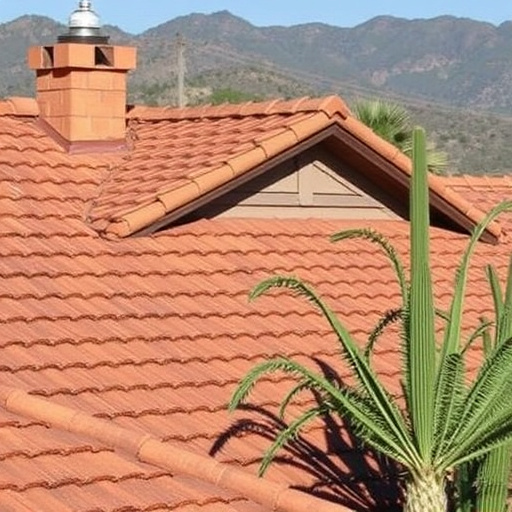
In Tucson, Arizona, where the natural environment is as diverse as the communities that call it home, roof restoration services have evolved to not only meet but exceed the unique challenges of the region. Understanding Roof Restoration in Tucson involves embracing a natural approach that not only preserves the beauty of local landscapes but also ensures the longevity of rooftops. This method, often referred to as eco-friendly or sustainable roof restoration, prioritizes the use of materials and techniques that harmonize with the environment, minimizing the ecological footprint while providing robust protection against the area’s diverse weather patterns.
Tucson’s roof restoration specialists have honed their skills in this domain, offering services that range from minor repairs to complete roof replacement Tucson naturally. They leverage the latest advancements in green roofing technologies, such as reflective coatings that reduce the urban heat island effect and biodegradable membranes that enhance water retention. For instance, studies have shown that reflective roofs can lower building energy consumption by up to 20%, contributing to a more sustainable cityscape. By opting for these natural solutions, homeowners can not only save on energy bills but also contribute to the preservation of Tucson’s vibrant biodiversity.
One of the key aspects of a natural roof restoration is the selection of materials. Instead of conventional asphalt shingles, many Tucson residents are choosing long-lasting, environmentally friendly alternatives like metal roofing or energy-efficient tiles. These materials not only withstand the region’s intense sunlight and occasional severe storms but also offer tax incentives and long-term cost savings. For example, the Arizona Department of Real Estate estimates that energy-efficient roofs can qualify for up to a 50% tax credit, making the initial investment more affordable. Additionally, a new roof installation in Tucson that incorporates eco-friendly practices can significantly enhance the property’s resale value, appealing to a growing market of environmentally conscious buyers.
Identifying When a Roof Replacement is Necessary in Tucson
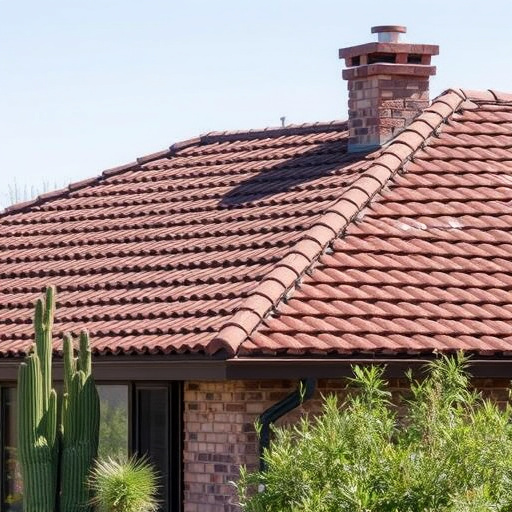
In Tucson, Arizona, where weather patterns can range from intense monsoons to scorching sun, a roof is your home’s first line of defense against the elements. Recognizing when a roof replacement is necessary goes beyond aesthetic considerations; it involves understanding structural integrity and long-term cost savings. Regular inspections are crucial, but certain signs signal a need for a new roof installation in Tucson faster than others. Look for widespread damage from hailstorms—Arizona’s summer storms can be particularly harsh—or missing shingles that expose the underlayment to potential water intrusion. Shingles that are severely curled, cracked, or detached also indicate advanced wear and tear.
While some repairs might temporarily patch issues, a roof replacement in Tucson is often inevitable for homes over 20 years old. This is because materials and construction techniques evolve, leading to improved durability. For instance, modern shingles offer superior wind resistance compared to older styles. Additionally, new roof installations in Tucson now incorporate reflective materials that enhance energy efficiency by mitigating heat transfer, a significant concern in the region’s arid climate.
Data from local roofing contractors suggests that timely replacement can significantly reduce future repair costs and prevent water damage, which is prevalent during monsoon seasons. Homeowners should consider not only the cost of a new roof but also potential long-term savings and increased property value. When assessing roof replacement Tucson residents often opt for a variety of styles—from traditional asphalt shingles to metal roofing—based on their aesthetic preferences and climate adaptation needs.
Choosing Expert Restoration Services for Longevity in Tucson
When it comes to protecting your home or property in Tucson, Arizona, from the elements, a robust roof is an essential defense mechanism. However, over time, even the sturdiest of roofs can degrade and require expert attention. This is where professional roof restoration services come into play, offering a sustainable solution that extends the lifespan of your current roofing structure rather than immediately suggesting a costly new roof replacement Tucson residents often find themselves facing.
Choosing the right restoration specialists is crucial for achieving longevity in your roof’s service life. An experienced team will assess your specific needs and provide tailored solutions that address issues like missing or damaged shingles, leaks, or signs of aging. They employ advanced techniques and materials to repair and reinforce your roof, ensuring it meets modern safety standards. For instance, a professional contractor might recommend sealing vulnerable areas with high-quality sealants, reinforcing support structures, or even installing reflective coatings to mitigate heat absorption, thereby extending the life of your existing roof by several years.
Compared to a full new roof installation—which can be expensive and disruptive—roof restoration offers numerous benefits. According to industry reports, restoring an existing roof can save homeowners up to 30-50% on average. Moreover, it reduces the environmental footprint associated with manufacturing and disposing of new roofing materials. By opting for roof replacement Tucson services that focus on restoration, you’re making a sustainable choice while ensuring your property remains protected against Arizona’s diverse weather patterns. This strategic approach allows you to avoid premature replacements, saving you time, money, and resources in the long run.
In conclusion, when considering roof replacement Tucson naturally, understanding the art of roof restoration is paramount. By prioritizing a natural approach, residents can extend the lifespan of their roofs while preserving Arizona’s unique landscape. Recognizing the signs of needing a roof replacement is key; regular maintenance and expert assessment are essential tools to ensure longevity. Choosing experienced restoration services in Tucson guarantees not only high-quality workmanship but also the preservation of your home’s value through sustainable practices. This article equips readers with valuable insights, enabling them to make informed decisions regarding their roofing needs and fostering a harmonious relationship between beauty and functionality.